The whole care programme, inside WhatsApp
Most patients will never install a new app. So run the entire remote care programme where they already are — reminders they confirm with a tap, readings captured from a photo, and a real two-way line to the care team. Nothing to download, nothing to learn.
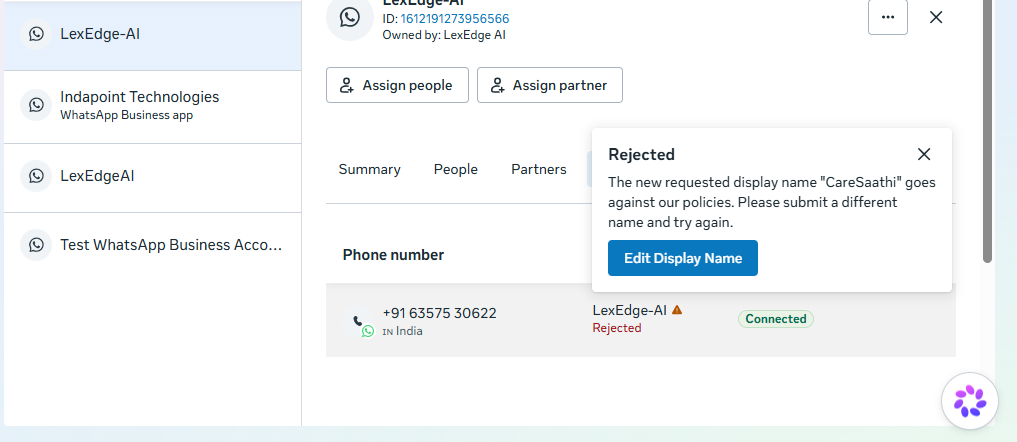
Everything the app does, without the app:
⏰ Reminders📷 Readings💬 Messaging📄 ReportsA care channel, not a notification blaster
Messages go both ways, and everything a patient sends becomes real data in their record.
Reminders with one-tap confirm
Every medicine, drop, test and exercise arrives at its scheduled time with the photo of the actual bottle and two buttons: Done or Skip. A tap writes the same adherence record as the app — and a dose nobody confirms is logged as missed.
A photo becomes a reading
The patient photographs their BP monitor, glucometer, oximeter or thermometer. AI reads the values and files them as a structured, preliminary reading on the chart — with the original image attached for a clinician to confirm.
Reports and prescriptions
A lab report or a doctor’s prescription sent as a photo is classified and read into structured data — medicines with doses, or results with flags — and queued for one-click approval. The patient is never asked what they are sending.
Questions, answered
Small talk gets a friendly menu. “What are my medicines today?” gets their real schedule from their plan. Anything else is answered from the doctor-approved education content for their procedure, in their language.
A real line to the care team
Whatever the assistant can’t answer reaches a human, with the patient’s exact words. The team replies from the portal — or straight from their own WhatsApp — and the patient always sees the hospital’s number, never a personal one.
Never the same reminder twice
A dose confirmed on the app silences the WhatsApp reminder, and a slot can only be sent once however often the scheduler runs. A patient on two surfaces is reminded once — being nagged is how a care channel gets muted.
Urgent words skip the AI
Chest pain, bleeding, sudden vision loss and similar phrasing bypass the assistant entirely, raise a critical alert, and tell the patient to call emergency services. No AI stands between a patient and a human at that moment.
Three ways in — and the easiest one needs nothing
Recovering patients are often elderly or unwell. Any step that asks them to find and type a code is a step where the channel quietly fails to happen.
They message you
The patient sends anything to the care number. If it matches the phone already on their record, they are connected on the spot and their message is handled as normal — no code to find, nothing to install.
Or staff connect them
One click in the portal connects the number already on file, with the staff member attesting that the patient agreed. The patient does nothing at all.
Or they scan a QR
For a walk-in whose number isn’t on record, or a different handset, a one-time QR opens WhatsApp with the code pre-filled. They just hit send.
A channel in Hindi is not a translated channel
A patient who reads Hindi should never receive an English reminder and guess. Every word the system sends exists in each supported language.
Every message, their language
Reminders, menus, confirmations and the assistant’s answers are written in English, Hindi or Gujarati — not machine-translated at send time, but authored and reviewed, so the same reminder says the same thing every day.
Switch by just typing it
A patient who types “hindi” or “ગુજરાતી” is answered in that language from the next message on. No settings screen, no support call.
Medicine names never translate
Only the wording around a dose is localized. The medicine name, strength and time appear exactly as the doctor wrote them — in any language.
Extensible to any market
Languages are a catalog, not a rewrite. Adding one is a translation pass plus approved message templates in that language.
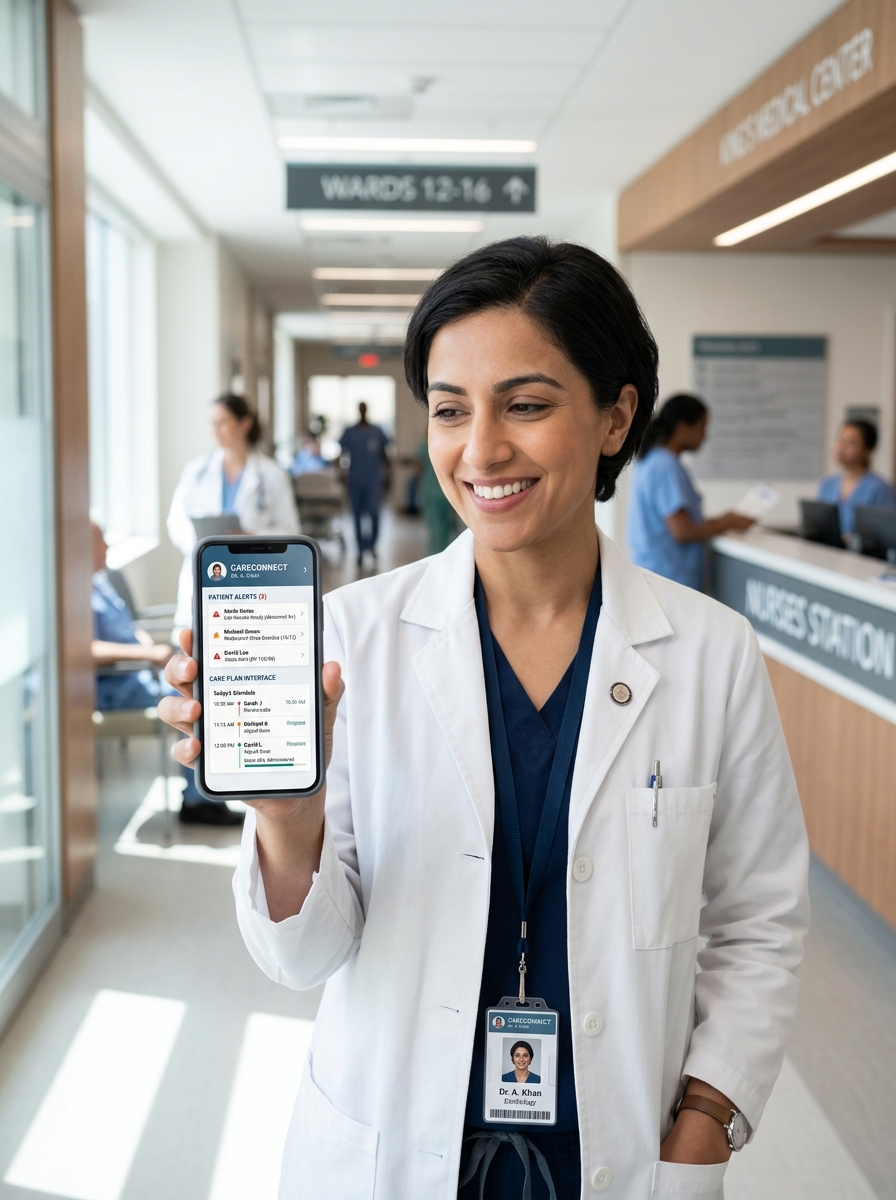
Answer a patient without opening a laptop
A nurse gets the patient's question on her own WhatsApp. She replies to it, and the answer reaches the patient from the hospital's number — recorded in the chart exactly as a portal reply would be.
- Her personal number is never shown to the patient
- The reply is matched to the right patient from the alert she answered
- She can only reply to patients at a hospital she works at
- Answering the question resolves the alert — no second step
- The conversation survives staff turnover, because it lives in the record
A WhatsApp workspace in the portal
Not a settings page — an operational screen. Conversations, reminder health, the review queue and the plan's message credits, scoped to your hospital alone.
Every conversation in one place
A live list of who is talking to you, in which language, and what they last said — newest first, so the person waiting is at the top.
Reminder health at a glance
Confirmed, missed and failed sends for today, so a broken channel looks broken instead of looking quiet.
Reviews and readings queued
Photos, reports and prescriptions waiting for a clinician, with the values the AI already extracted.
Message credits, live
How much of the plan’s messaging allowance is used this period — and which sends are free, because a reply inside a patient’s conversation window costs nothing.
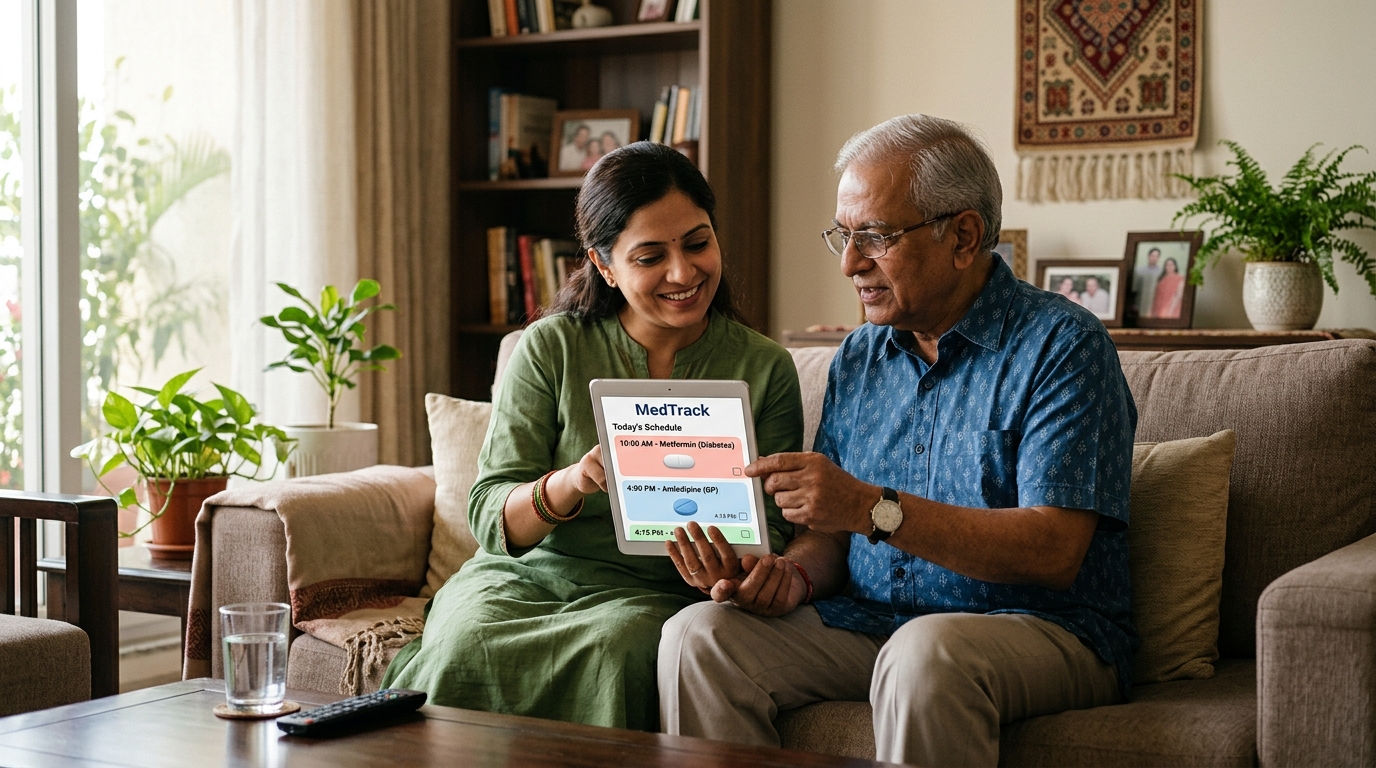
Run the whole programme on WhatsApp alone
Some clinics don't want tablets, apps or hardware — just remote care that reaches their patients. Lite is the same platform with the device surface switched off and the price to match.
- Reminders, photo readings, messaging and the care record — all present
- No devices to buy, pair, charge or manage
- The care team works from the same portal, minus the hardware screens
- Generous message allowance, because WhatsApp is the product here
- Upgrading later adds the app and devices — no migration, same records
For people with a prescription and no one following up
Most people leave a consultation with a piece of paper and no support until the next visit. Direct gives them reminders and answers on WhatsApp, with a CareSaathi team behind it — no hospital required.
They message the care number
Someone with no hospital behind them writes in. They’re asked, in two taps, whether they’re a hospital patient or want to use CareSaathi themselves — then which language they prefer.
They send their prescription
A photo of the paper their own doctor wrote. AI reads the medicines, doses and frequencies and shows them back as a list to check.
They confirm — nothing before
Reminders only start when the patient taps “Yes, remind me”. That tap is the line: CareSaathi transcribes and reminds; it never prescribes, adjusts a dose, or advises.
CareSaathi Direct organises and reminds — it is not a doctor and does not give medical advice. Questions it cannot answer from approved content go to a human, and anything urgent is told to call emergency services immediately. If a hospital later adopts the patient, their history comes with them.
Built for a channel patients didn't ask to be on
Messaging someone's phone about their health is a privilege. The platform treats it as one.
Consent on the record
Every connected number stores how consent was obtained and when — the patient messaging in, staff attesting it, or a one-time code they redeemed themselves.
STOP is instant
A patient who replies STOP has reminders paused immediately and permanently until they say START. Nothing proactive is sent in between.
One number, many hospitals
Which hospital a message belongs to is derived from the patient it resolves to — never from the number that sent it — so tenants stay strictly separated.
Everything is recorded
Inbound and outbound messages, who replied, and what the AI answered are all written to the patient’s chart and an audit log.
WhatsApp is operated through the official WhatsApp Business Platform. Meta does not sign a HIPAA BAA for WhatsApp; clinical detail in outbound messages is kept deliberately light, and your compliance team should confirm the posture for your market before going live.